Search
Tert Butyl Peroxy 2 Ethylhexanoate

CAS 614-45-9
Tert-Butyl Peroxy-2-ethylhexanoate Wholesale

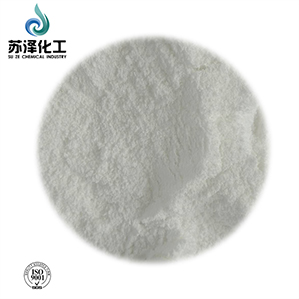
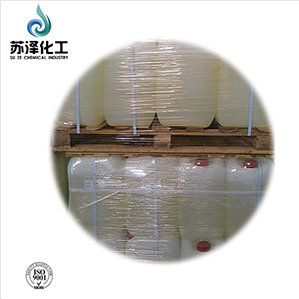
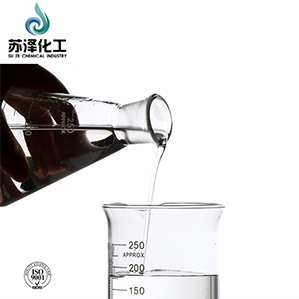
The tert butyl peroxy 2 ethylhexanoate is a colorless transparent liquid, which is a kind of ester organic peroxide.

Technical Information of Tert-Butyl Peroxy-2-ethylhexanoate CAS 614-45-9

Density1.1±0.1 g/cm3
Boiling Point282.4±9.0 °C at 760 mmHg
Melting Point8 °C
Molecular FormulaC11H14O3
Molecular Weight194.227
Flash Point109.7±12.8 °C
Precise Quality194.094299
PSA35.53
LogP3.33
Appearance CharacteristicsPale yellow liquid
Steam Density6.7 (vs air)
Vapor Pressure0.0±0.6 mmHg at 25°C
Refractive Index1.497


Synergistic Initiator Systems: TBPO in Combination with TBPB & TBEC

In high-performance polymer manufacturing and composite curing, using a single initiator often limits production efficiency and product quality. Tert-Butyl Peroxy-2-Ethylhexanoate (TBPO) is frequently used as part of a synergistic initiator system, working in tandem with high-temperature peroxides like TBPB (Tert-Butyl Peroxybenzoate) and TBEC (Tert-Butylperoxy 2-Ethylhexyl Carbonate).


Why Use a Synergistic System?

The primary goal of a dual or multi-stage initiator system is to achieve balanced reactivity throughout the entire polymerization or curing cycle.


TBPO (The Medium-Temp Component): With a 10-hour half-life temperature of approximately 73°C, TBPO triggers the initial reaction, ensuring a fast start and early green strength in the resin.


TBPB/TBEC (The High-Temp Component): These act later in the cycle (10-hour half-life around 100°C) to ensure complete monomer conversion and eliminate "residual monomers" that can weaken the final product.


Optimized Curing for SMC/BMC and Pultrusion

For industries utilizing SMC (Sheet Molding Compound) and BMC (Bulk Molding Compound), combining TBPO with TBEC/TBPB offers several technical advantages:


Reduced Cycle Times: The "stepped" decomposition of the peroxides allows for a faster overall curing process without risking thermal runaway.


Minimizing Internal Stress: By managing the exotherm (heat release) more evenly, synergistic systems reduce the risk of cracks, warping, and shrinkage in thick-walled composite parts.


Improved Surface Finish: Balanced initiation ensures a more uniform cross-linking density, resulting in superior aesthetic and mechanical properties for automotive and electrical components.


Application in LDPE and Styrenics

In high-pressure LDPE (Low-Density Polyethylene) production, TBPO is often paired with other peroxy esters to maintain a stable radical concentration across the different temperature zones of a tubular or autoclave reactor. This "initiator cocktail" is essential for tailoring the molecular weight distribution and rheological properties of the polymer.


Applications of Tert-Butyl Peroxy-2-ethylhexanoate CAS 614-45-9

01

Widely used in polyolefin polymerization initiator, and methacrylate and propylene monomer polymerization initiator, can also be used in rubber, paint industry. 

02

The tbec peroxide is mainly used as a polymerization initiator for ethylene polymerization and is suitable for kettle and tube processes.

03

It is also a polymerization initiator of acrylates and methacrylates, applicable to the temperature range of 80-150℃. It is used to initiate polymerization of styrene, and its activity is better than BPO. 

04

It can also be used in combination with TBPB and TBEC. It is also an important initiator of vinyl acetate (EVA) copolymer. 

05

It is a high temperature curing agent for unsaturated polyester, curing temperature is 120-160℃. 

06

It is preferred for UP in hot press molding curing process (DMC, BMC), and can also work with cobalt promoters. It is used for air dry paint and winding molding process at 60℃.

Technical Center: FAQ for Tert-Butyl Peroxy-2-Ethylhexanoate (TBPO)

Why is TBPO (CAS 614-45-9) preferred over BPO in styrene polymerization?

TBPO is a medium-temperature initiator that offers higher activity and efficiency compared to BPO (Benzoyl Peroxide) in styrene systems. Its primary advantage is providing a more controlled reaction rate, which significantly reduces the risk of runaway polymerization. Furthermore, TBPO contributes to superior polymer color stability and reduces residual monomer levels, making it the preferred choice for manufacturing high-quality, high-clarity resins.

What are the critical storage and transport requirements for TBPO?

Due to its Self-Accelerating Decomposition Temperature (SADT) of 35°C, TBPO is thermally unstable. It must be stored in a cool, well-ventilated area with the temperature strictly maintained below 20°C (68°F). For international or long-distance logistics, refrigerated containers (cold chain) are mandatory. Storing it above the recommended temperature can lead to a loss of active oxygen content and potentially hazardous decomposition.

At what temperature range is TBPO most effective as a curing agent?

TBPO is highly effective as a high-temperature curing agent for Unsaturated Polyester (UP) resins, typically within the 120-160°C range. It is particularly optimized for SMC (Sheet Molding Compound) and BMC (Bulk Molding Compound) hot-press processes. Its 10-hour half-life temperature is approximately 73°C, ensuring balanced reactivity during the curing cycle.

Your Professional Fine Chemical Materials Supplier
Contact Us
Try Our Best To Meet Your Needs
Discover Suze's Events about Fine Chemical Materials
Copyright © Taizhou Suze Chemical Materials Co., Ltd. All Rights Reserved.
live:nick.miao_1
info@suzechem.com
+86-19825580222